Afterthoughts

Nature struck another blow to Hatteras. As this storm cleared out, I gathered my thoughts. This beautiful island is created by powerful natural elements. That’s the allure that brought me and so many others here. Only a couple weeks ago, we were still in the routines of summer. There were plenty of visitors, the ocean was calm, no storms. With the arrival of Fall, things changed almost overnight.

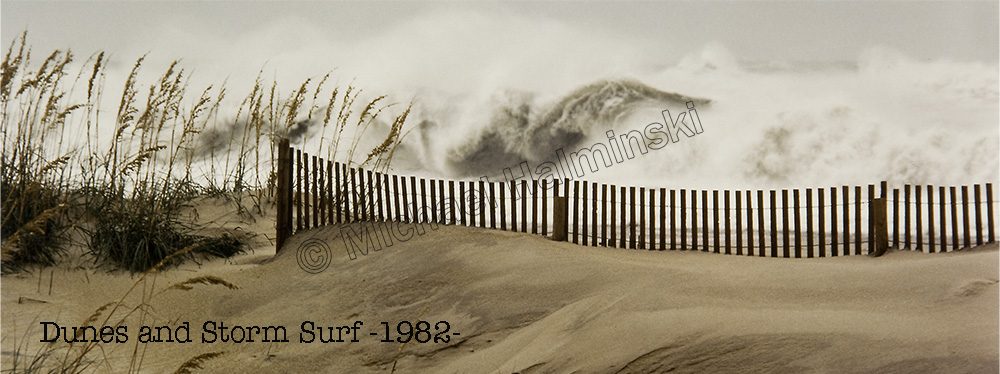
Weather forecasting predicted an event that many didn’t seem prepared for. The low pressure arrived with a bang, throwing tremendous waves at us. It happens often, but tourism remained in place despite the threat of over-wash across vulnerable roadways. This latest storm has made its unique signature added to a list of many in the past.
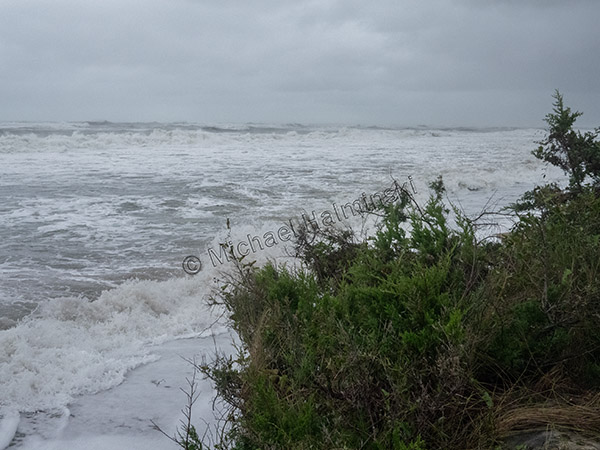
A vegetated dune is the first line of defense.
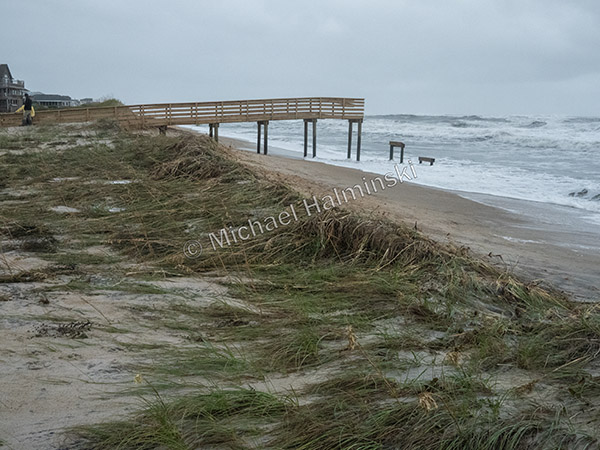
Dunes bow to the power of rushing water. At the KOA, a walkway spanning a once high dune, is sheared.
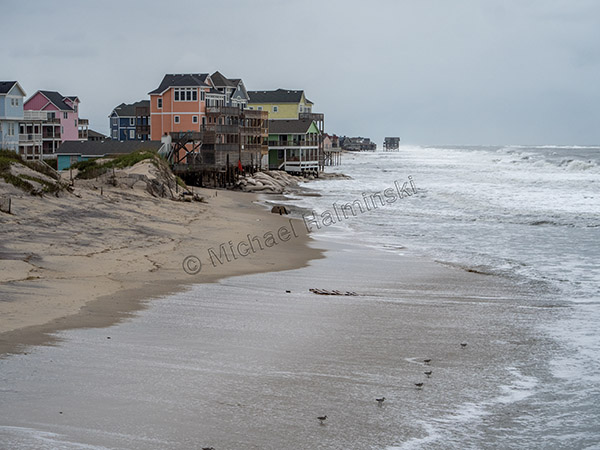
Sandbags are a futile attempt to save infrastructure.
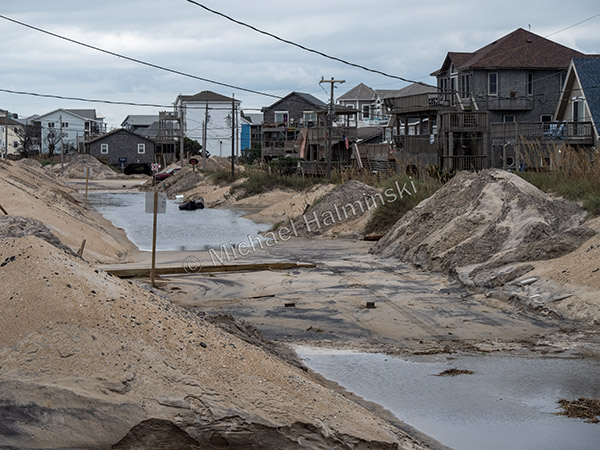
In Rodanthe, Ocean Drive sits behind a row of oceanfront cottages. They’ve been digging this out for years. Storms past have claimed at least two houses here.
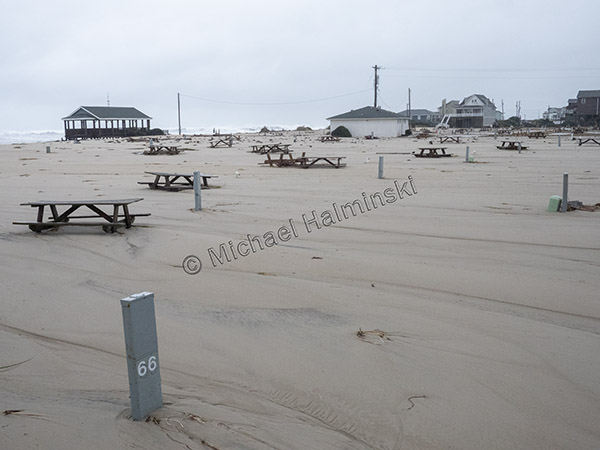
I thought about people happily congregating around these picnic tables at Camp Hatteras just days ago.
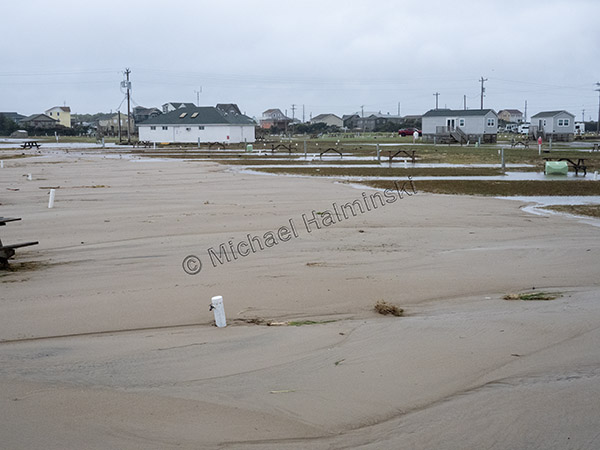
Over-washed sand covers half the campground now.
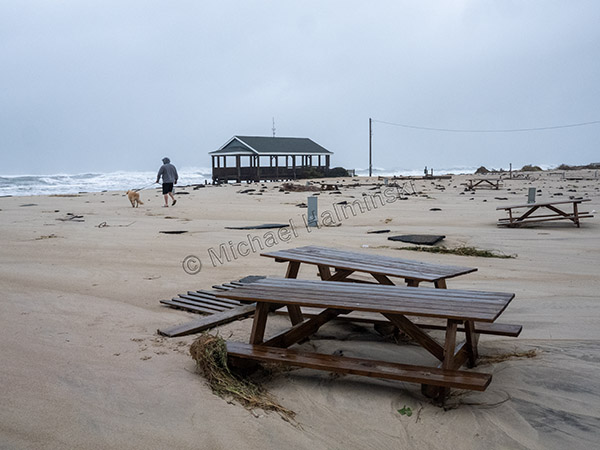
Debris and broken asphalt litter the ground, as a camper surveys the scene.
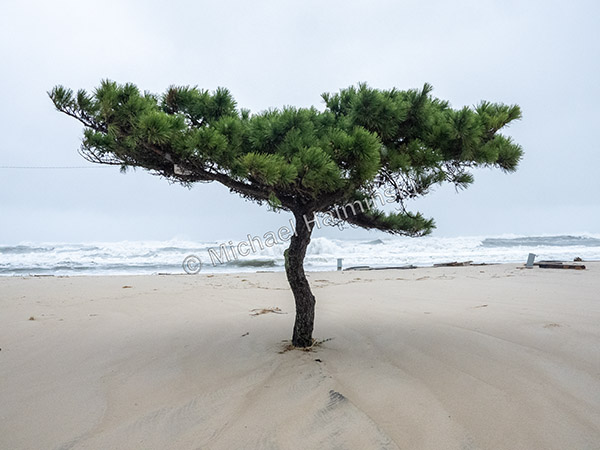
I was drawn to a lone shapely pine seemly awaiting its fate.

Each event we can learn how to live better within these elements. Nature is deemed destructive when man defies it, and highway 12 is a good example.

Now what?
 

Emily

Each Summer my mind drifts to what a hurricane season might bring. It’s hard to describe the feeling when one’s bearing down. Different hurricanes can have similarities, but no two are exactly alike. As strength increases, so does the anxiety.   

Toward the end of August 1993, the fifth named storm, Emily was heading our way. On the 31st, it strengthened to category 3 with an eye about 50 miles wide, centered 25 miles to the east of Cape Hatteras. That put Buxton and Frisco in the eye wall. The unofficial highest wind gust there was reported to be 107 miles an hour, but I’d venture a guess from hearing locals, it must have been higher.

Boarding every window on my house, I hunkered down with Denise and close friend Tim Merritt. Tim had sent his wife, Karen and young son off island. I checked the barometer while getting a phone call from WTOP-TV in Washington, and gave an on-air live report. The barometer read 978 millibars. When the wind switched northwest, the water in Pamlico Sound rose quickly. There was flooding in Buxton and Frisco that almost never had that inundation before.

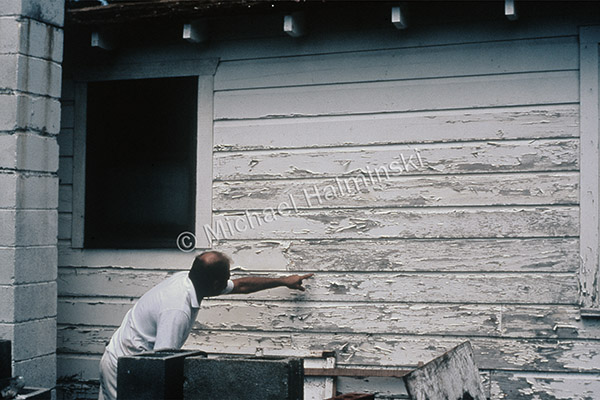
The next day after Emily passed, I drove south, noticing damage along the way.

The sound side of Buxton took the brunt, with around 10 feet of storm surge and high winds.

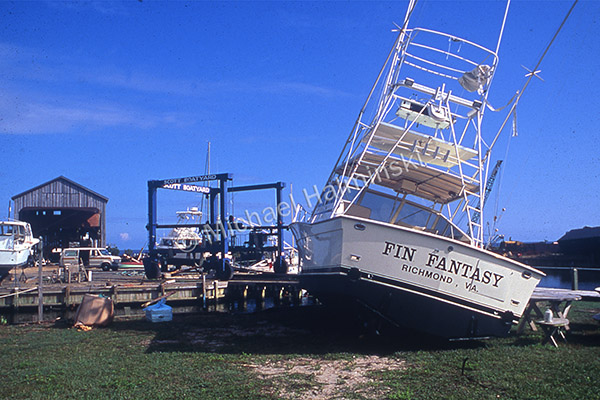
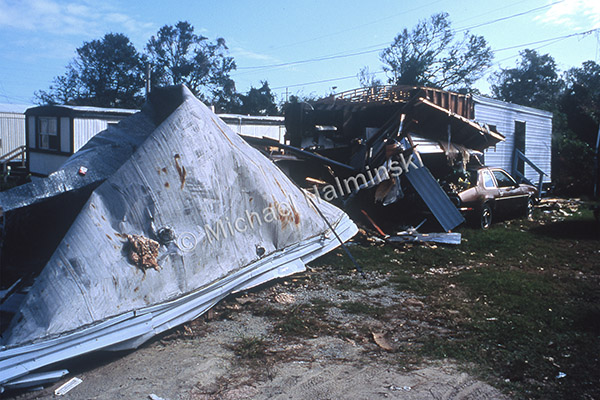
Near the Scott Boatyard, was a shattered mobile home court.

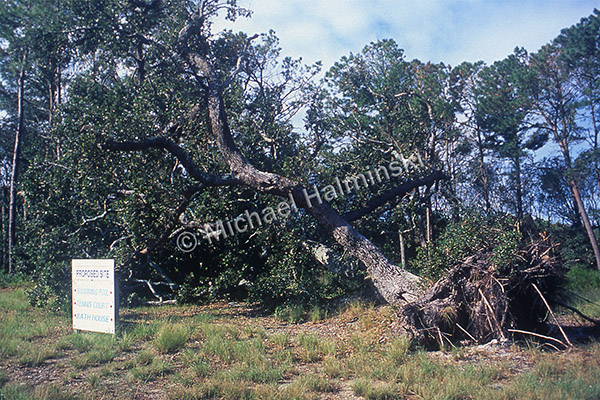
Live oaks were uprooted rather than broken.

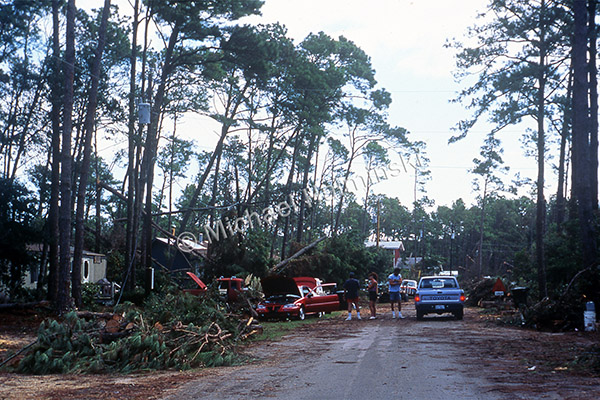
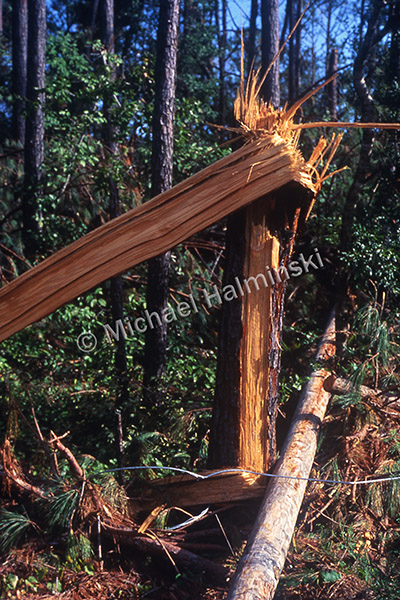
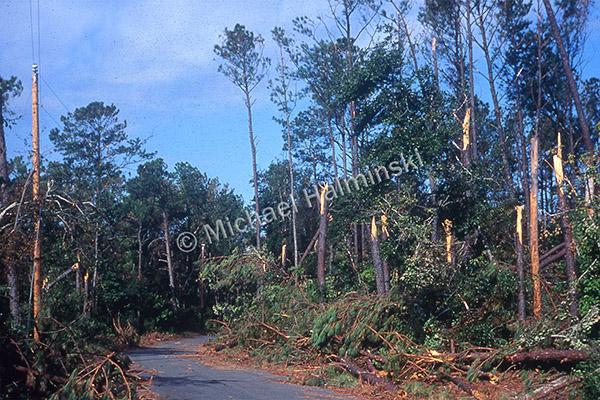
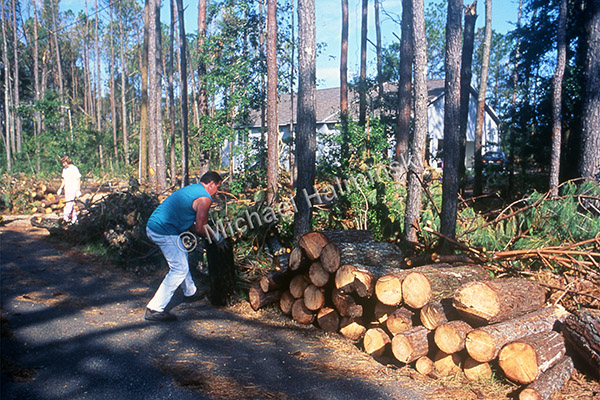
In Buxton Woods the cleanup was ongoing. Cars were flooded and pines snapped like matchsticks.

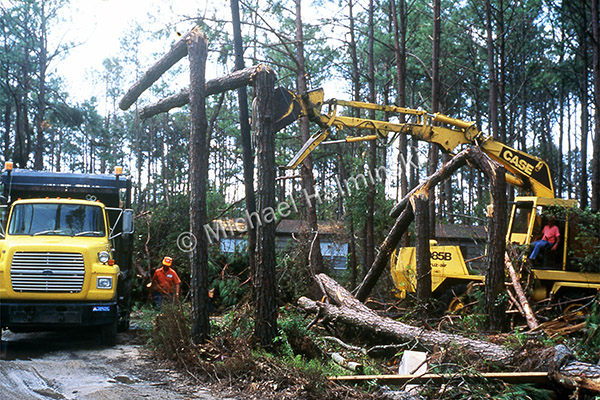
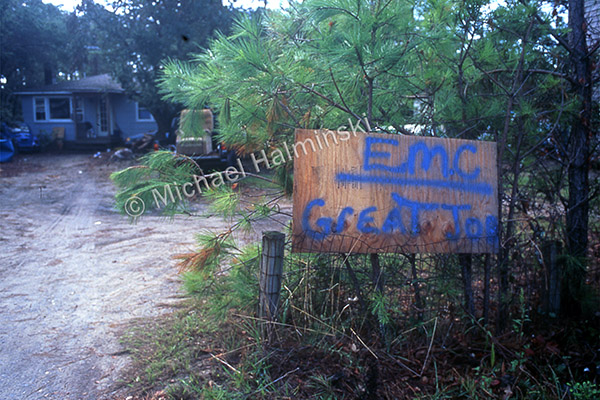
Crews from NCDOT and Cape Hatteras EMC had their work cut out.

Rob and Susan West were stacking cords of wood.

I visited Mark Nash in Frisco. His wife Barbara evacuated with their daughter while he stayed home. His story, how the tide came in from Pamlico Sound when the wind switched, was harrowing. Standing inside with knee deep water rising, he put on his wetsuit and climbed out the bathroom window on the lee side of the house. The waterline came to the bottom of the window.

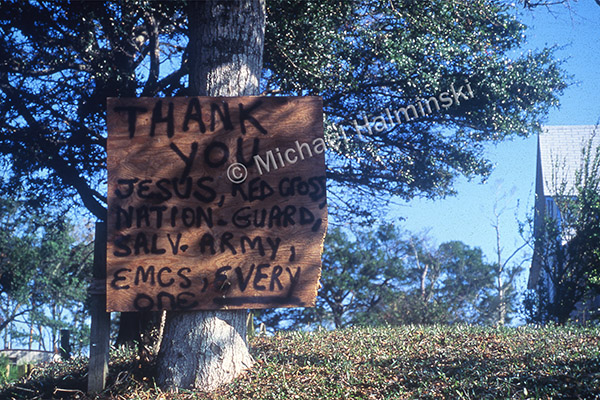
Perhaps one of the top five storms I’ve experienced, I’m not the only one grateful to have gotten through it.


Lucy

Most of my photography has been shot in color, but I’ve always had a love for black and white. It’s in my roots. Early on I used black and white films almost exclusively, then later concentrated more in color.

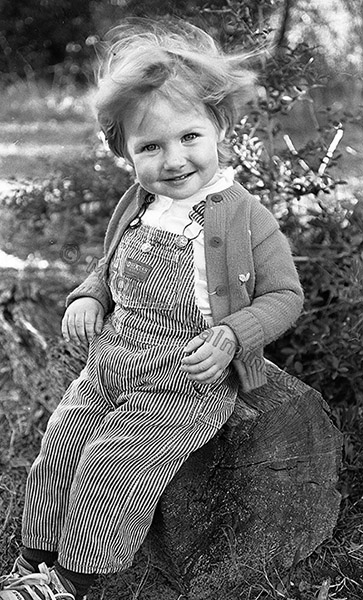
In the normal course of shooting, I’d occasionally shift back to black and white. Like the time a good friend asked me to take a portrait of her daughter. Lucy was around 3 years old. We went to a wooded lot in Hatteras Village, and Lucy was on her own time and mood. We had to work around her reactions to the camera. 

Children that age have short attention spans and photographing them can be challenging. On my knees at her level, we tried different tactics with mediocre results. Then something happened. Her mother Susan, said something to get her attention. Lucy spun around smiling as I instantly hit the shutter. It felt good so we stopped after only ten exposures. 

I used Kodak Panatomic-X film rated at ISO 32 processed in homemade Dektol developer, then made a beautiful print on Agfa Portriga, my favorite paper.

That was over 40 years ago. I wonder where Lucy is today.


Working Waterfronts

Several decades ago Hatteras Island was a bit different. The island had yet to be discovered by the masses and many locals made livelihoods from the sea. I was particularly taken with the commercial fishing industry. On the sound side of all seven villages, there were small working waterfronts where individuals could keep their boats and bring in the catch. Today those waterfronts are all but gone.

The village of Avon originally known as Kinnakeet had one of those waterfronts. That’s where generations of native Kinnakeeters had lived, and worked on the water. I saw this place as a hidden gem.

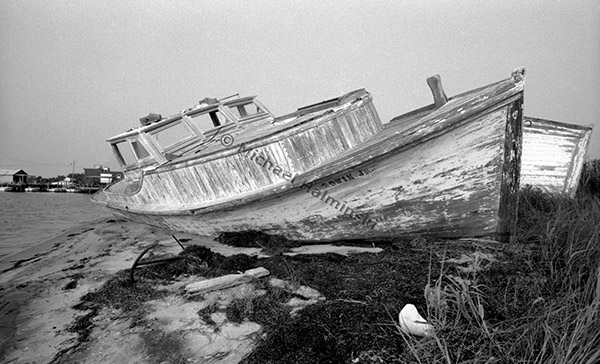
While wandering the Avon Harbor in 1977, I photographed a wooden workboat that lay derelict in the marsh. It was about 40 feet long and beautiful. With rounded stern, dead-rise design and distinctive trunk cabin, it could have been a sister ship to the Albatross boats built in Marshallberg, NC. The Edwin Jr. had seen better days. Little did I know at that time, it was a precursor to a way of life in decline.

The Albatross Fleet

I’ve long appreciated the Hatteras-based charter boats known as the Albatross Fleet. Amongst all of the local offshore charter boats, the Albatross Fleet stands out. All three boats are undoubtedly the oldest around still operating. Over the years I’ve enjoyed opportunities to  photograph them. 

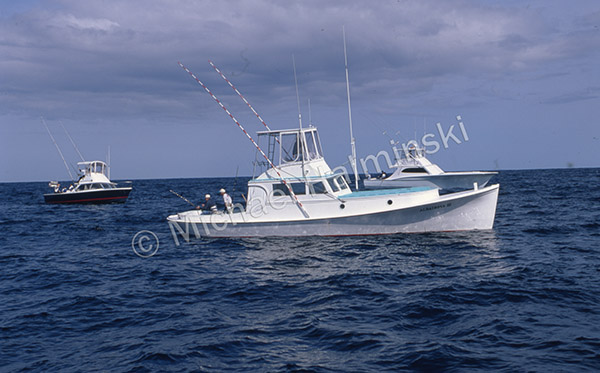
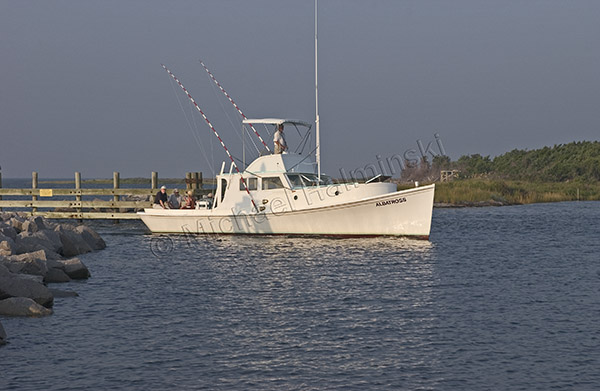
In 2000 I was offshore shooting anglers looking for bluefin tuna while Albatross III was trolling nearby. The appealing design and sheer of the boat struck me.

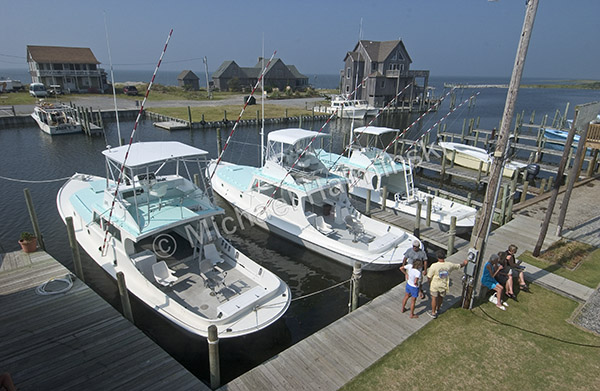
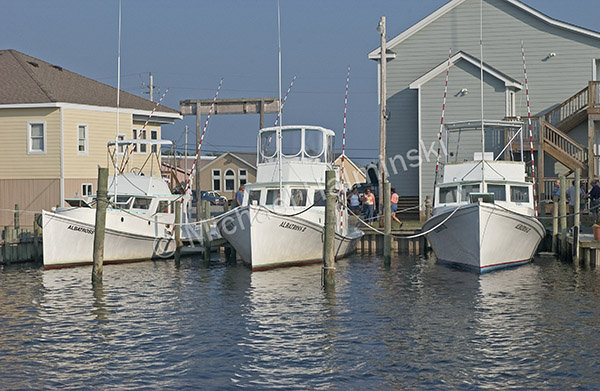
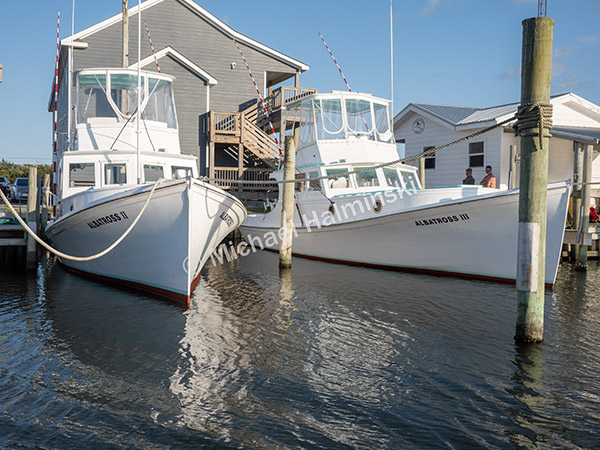
The boats have been docked in the same place for several decades. I shot them again in 2005 during the Day at the Docks event.

Red and white bamboo outriggers have long been an Albatross Fleet trademark.

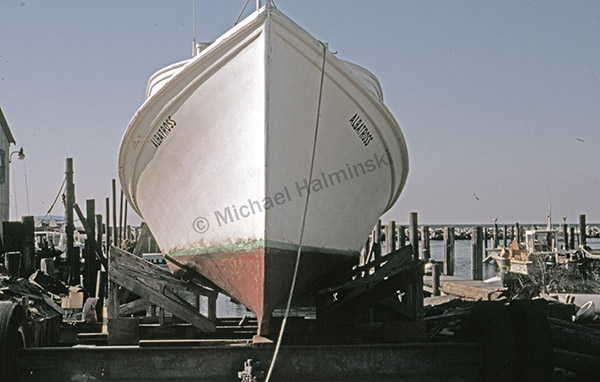
While checking out the Hatteras waterfront in 1990, I saw the original 1938 Albatross hauled out for repairs.

Most recently a fundraiser was begun to help a local 5 year old girl, Milly King who was diagnosed with a rare form of leukemia. Hundreds of people have stepped forward to raise money for her expensive treatments. Two of those pitching in to help are Ernie and Lynne Foster. Ernie’s dad initiated the island’s charter fishing business back in 1938 when he built the first Albatross. The history is fascinating.

Albatross History

Ernie and Lynne volunteered to offer sunset cruises during Spring weekends for a $200 donation for Milly. I jumped at the opportunity to book a May trip, and asked my wife, Denise and 4 of our friends to come along.

We got underway aboard Albatross at 6:00, leaving Albatross II and III at the dock.

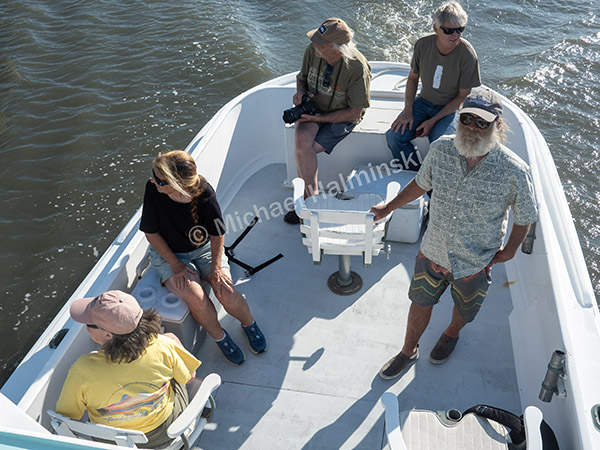
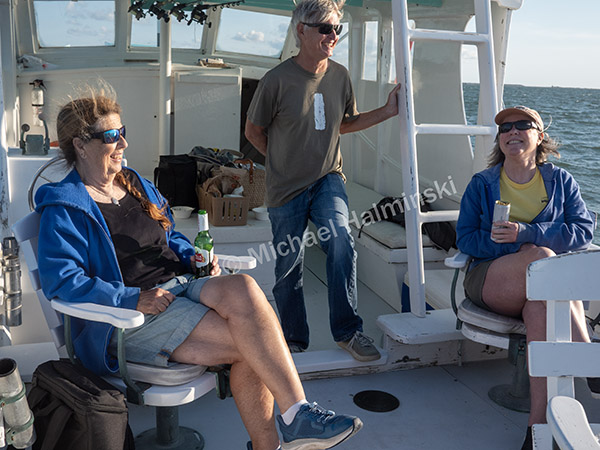
We settled in relaxing and taking in the sights.

Everyone had a great time with refreshments, snacks and some occasional gossip.

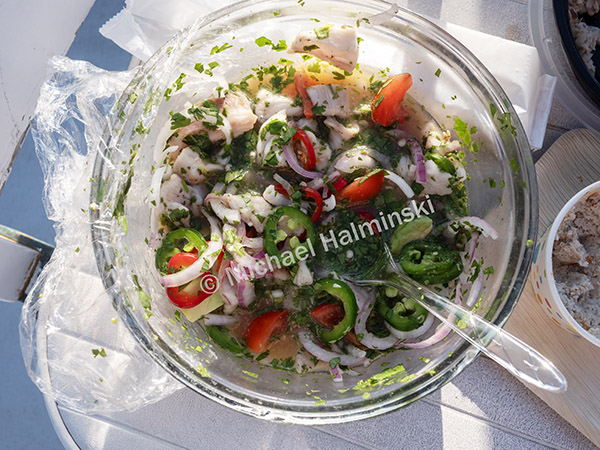
Eric Anglin’s ceviche was a huge hit with the crew. It’s the best I’ve ever had!

It was a great experience for us all. Captain Ernie and Lynne were wonderful hosts for the worthy cause. We share concerns about a healthy environment, appreciating our history and giving back to the island community.

To learn more about Milly’s journey, read this story.

Community rallies around “Mighty Milly” King as Buxton family begins leukemia fight